Our impact begins with relationships
We cultivate ways of working together that build coherence, trust, and shared leadership.
Those relational shifts make systems more humane and effective for children and families.
Over the past 10 years, LFC has worked alongside adults across diverse communities, roles, and settings—partnering with early learning programs, schools, community organizations, and workplaces to support more humane and connected ways of working together. While contexts vary, the changes are consistent — adults experience deeper trust, greater coherence, and a stronger sense of shared leadership over time.
What Changes When Adults Lead Together with Humanity
When adults experience dignity, connection, and agency, something fundamental shifts in how they relate to one another—and in how systems function around children.
Across contexts, we consistently see adults:
- Feel less isolated and more connected to one another
- Develop shared language that replaces blame with understanding
- Listen more deeply across roles and differences
- Build trust that supports honest dialogue and collaboration
- Move from individual responsibility toward shared leadership
These relational shifts change the texture of everyday work. Adults feel more grounded, more capable, and more connected—creating conditions where children and families are better supported.
Humanity in Action:
Stories of Impact
Finding Belonging and Voice
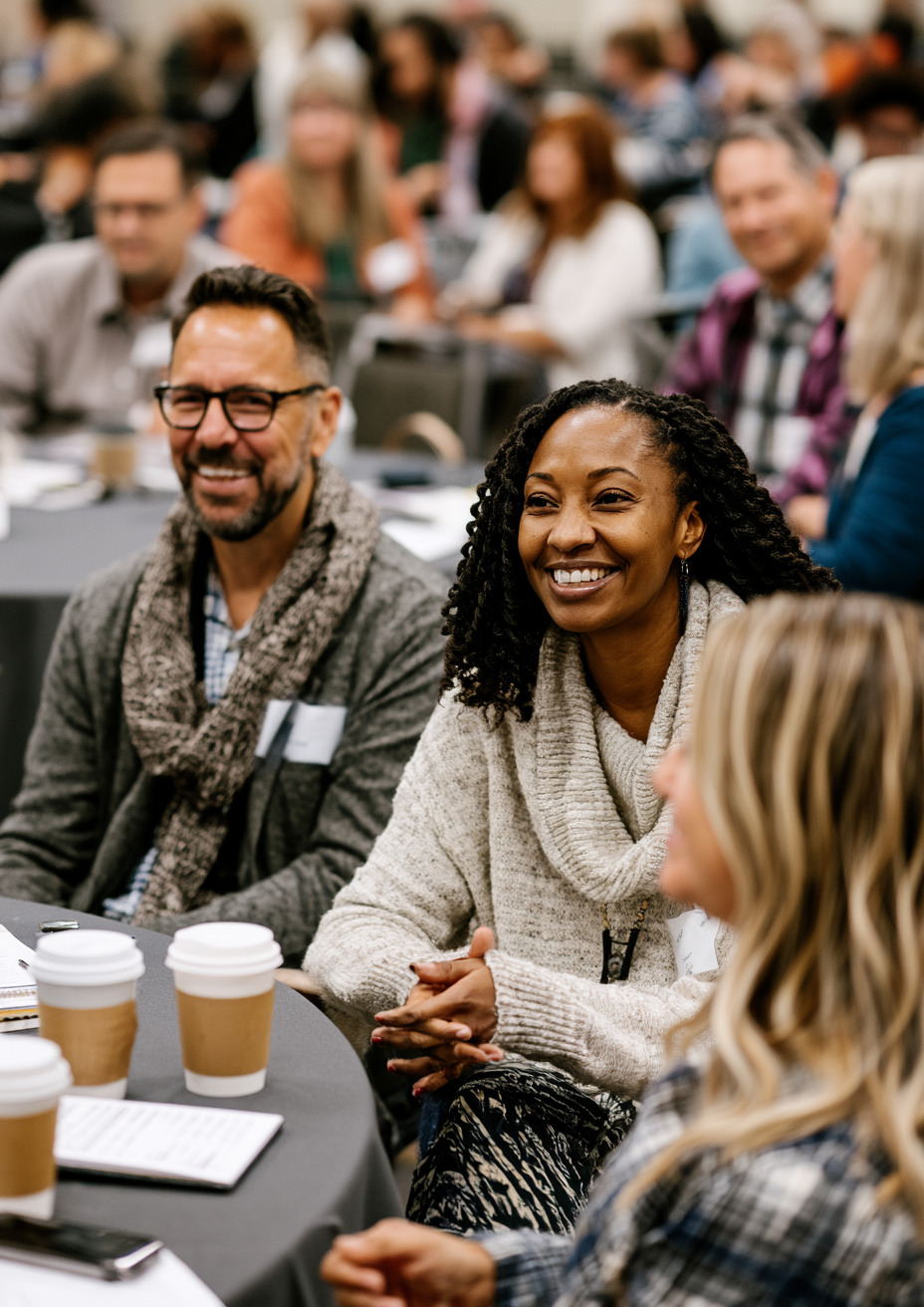
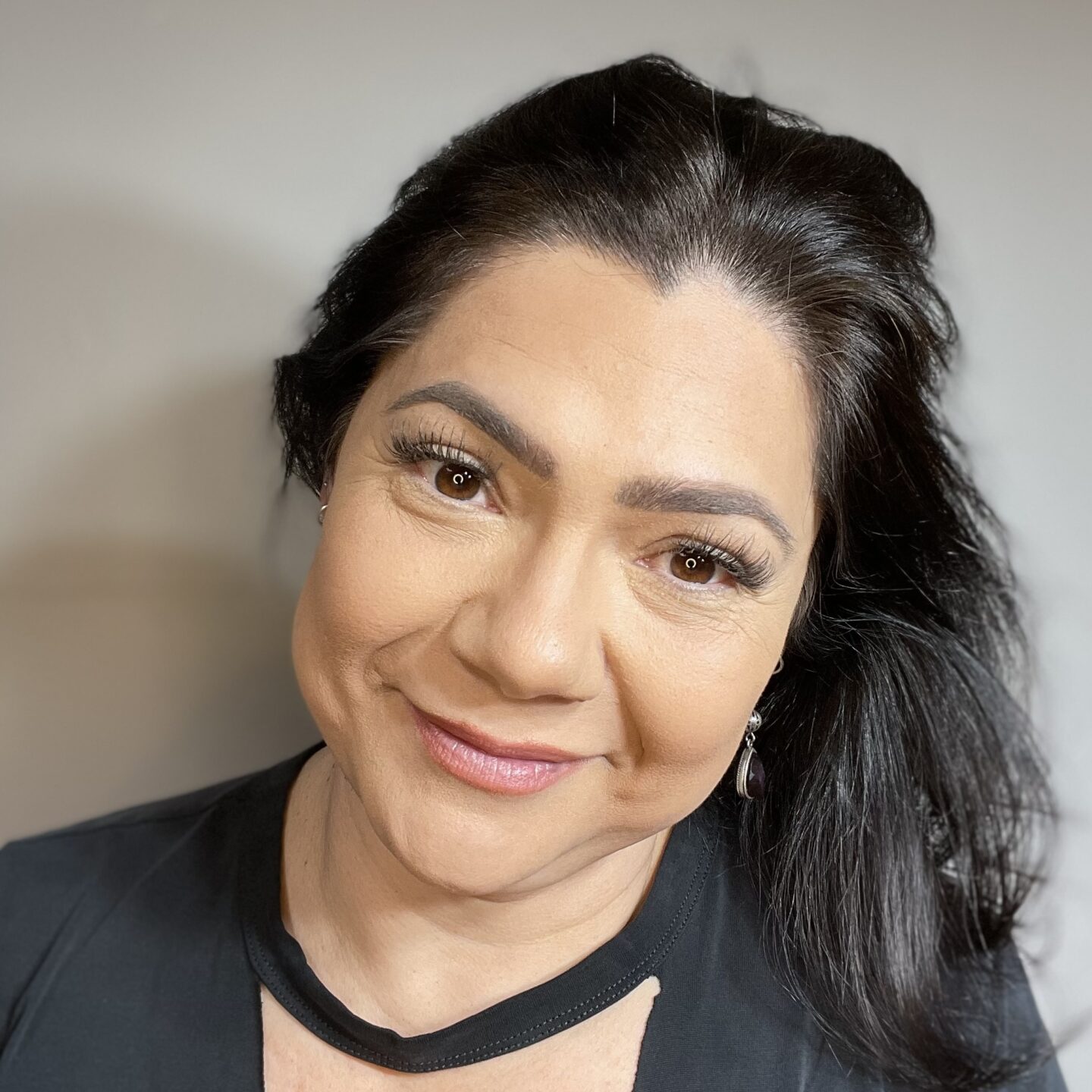
When Karina Soares first joined a Leading for Children mutual learning space, she was the only family childcare provider in the room—and the only immigrant, mother of three, and non-native English speaker. She entered with hesitation, unsure whether her voice would be welcomed.
What she found instead was a space grounded in dignity and safety. Through mutual learning, Karina experienced conversations where everyone could be fully themselves—listening deeply, reflecting together, and sharing ideas without judgment. Over time, she became more intentional in her communication and began sharing what she learned with her staff and her own children.
“The mutual learning space always felt safe. I see the ripple effect of positive outcomes in the field.”
Karina Soares
Family Child Care Provider, California
Learning to Reflect and Respond
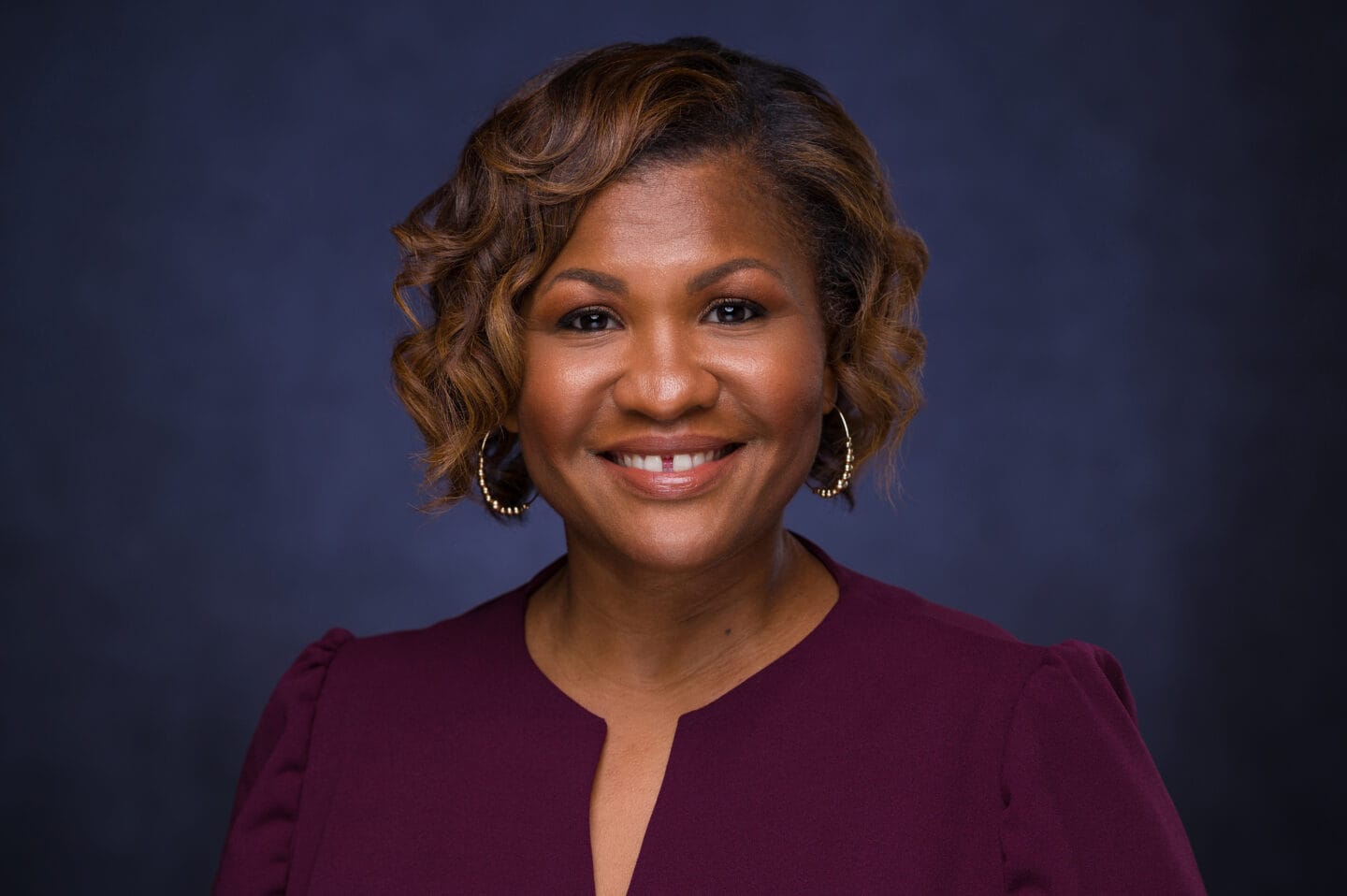
Mutual learning with Leading for Children is a reminder that all the adults in early learning are working for that same goal, for the children. We talk about perspective-taking a lot, and that reminds me to take a breath and try to understand what the other person is thinking. If our goal is the same, I know we can get there. This is an active effort to build a community across the state.
I’ve really been trying to be more aware of my impact. We talk with children about the impact of their words and actions, asking them to consider whether they are helpful or hurtful. I think adults could benefit from these conversations. This is what happens in mutual learning with LFC. We think together about the impact of our words. We consider whether we’re contributing to the solution. We acknowledge that sometimes it’s best not to say anything. I’ve realized that I have a choice. Mutual learning makes concepts applicable to your life and your work, and so you keep doing it and it stays relevant. It’s real life, and it’s you. You are the one who has to be self-aware. It becomes part of who you are.
Casey Sims
Teacher, Alabama

Shared Power, Stronger Communities
As Executive Director of the Tallahatchie Early Learning Alliance, my role is to unite the community in supporting children to thrive. I became aware of the need for unity and shared purpose several years ago, when there was a big push for developmentally appropriate practice from the state level. There was a lot of information for people to utilize, but many didn’t have the confidence or sense of permission to make changes. Leading for Children creates space for communities to co-construct solutions. Now, we own the ability to create our own power within the community; others do not create the power for us.
Not only am I seeing changes in my community, I’m seeing changes in myself. If, as individuals, we self-reflect, practice self-awareness, and think about impact, we’re more effective as leaders. A lot of times, I made decisions based on emotion but not always based on the impact. Now, I’m looking at my work and thinking about the impact that it is going to make. With this self-awareness, I’m becoming a better leader — as a person, not just as a director, not just as a teacher, not just as a parent. I’m digging in my heart and I’m changing to be effective.
Leigh Sargent
Preschool Development Grant Supervisor, Mississippi
Every Voice Matters
I got involved with Leading for Children as part of the group that created Wyoming’s statewide framework for ensuring equity and quality for children. Leading for Children did a great job of making everyone feel that their voices mattered. Even though I kept thinking “I don’t run a daycare; my expertise is in pharmaceuticals!”, I saw how my experience as a parent has given me important knowledge to share. The Learning Network was a great place for sharing wisdom and helped me feel better about parenting.
I’m a college professor as well, and I’ve started incorporating the practice of staying present that I learned from LFC into my classroom. I also do this personally, and it helps me realize that sometimes my body is present, but my brain is not. Tuning into that was such a big piece for me. I also valued the acceptance of everyone’s ideas. It was a new way to listen, to be compassionate. And ultimately, the framework we created was pretty incredible; I hope that it’s used to bring everyone in early learning to a more equal ground.
Sarah Pence
College Professor, Wyoming
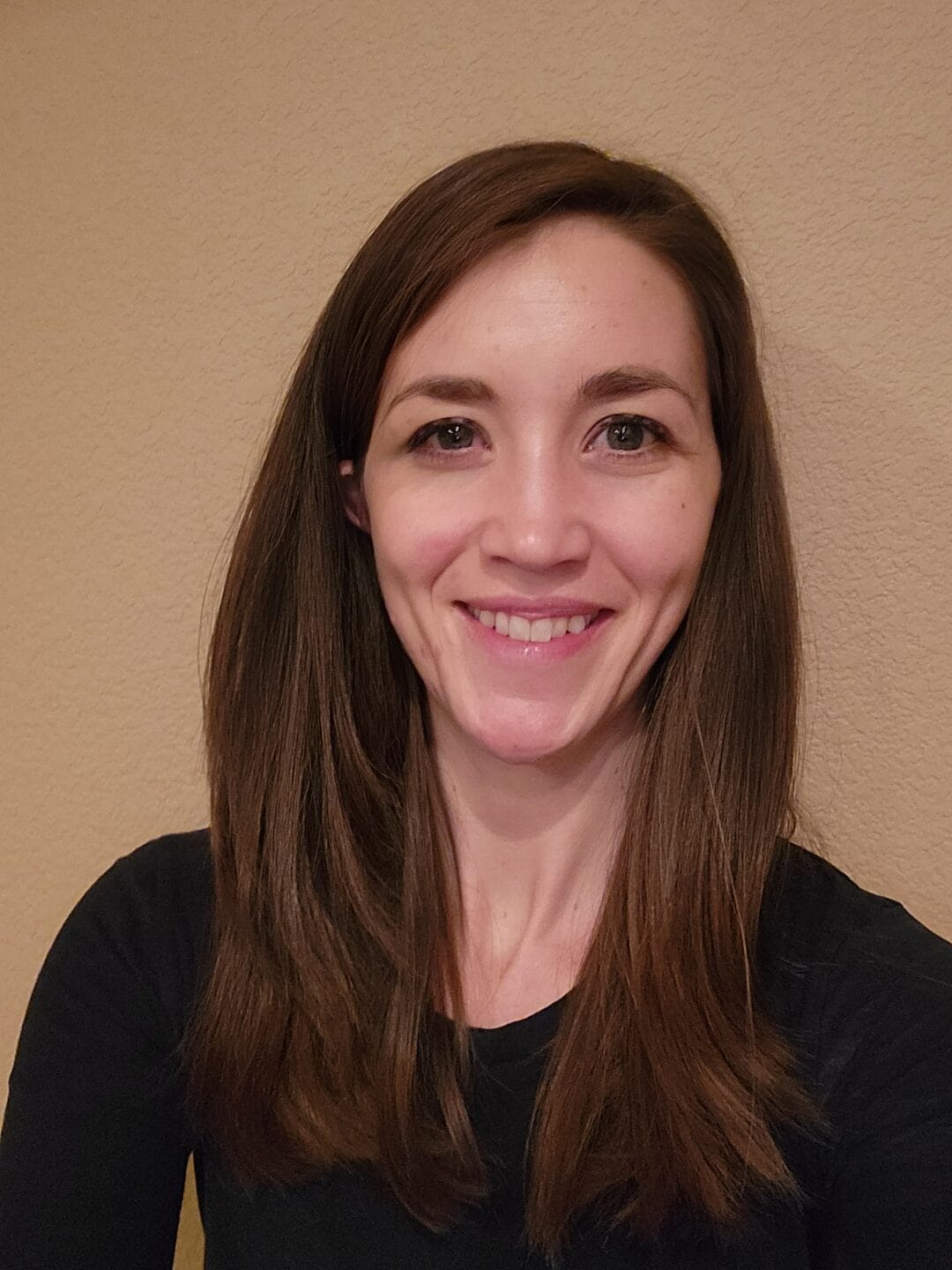
When I think back to where we started, our team was depleted—not just from long hours, but from a growing sense of disconnection. For years, we had supported early learning programs across New Mexico with deep commitment but little time to reflect, connect, or replenish. The work had become increasingly focused on compliance, systematically meeting requirements, satisfying external demands, and attempting to achieve more with diminishing resources.
The heart of our work—relationships—was becoming an afterthought. What we needed was not simply more resources, but a renewed way of working that centered trust, reflection, and humanity.
Partnering with LFC reminded us that true transformation doesn’t come from doing more; it comes from slowing down, being present, and leading with care. Today, our work is more grounded, intentional, and equitable. For me, this experience has not only reaffirmed why I do this work, it has clarified how I want to continue doing it: with authenticity, intention, and always, in community.
Dr. Shannon Bracamonte
Program Operations Director, UNM Early Childhood Services Center
Ready to Explore Our Approach in Action?
Whether through an introductory workshop, a book study group, a national conversation, a regional institute, or a long-term community partnership, the Humanity-Centered Approach is powerful when adults experience it together.